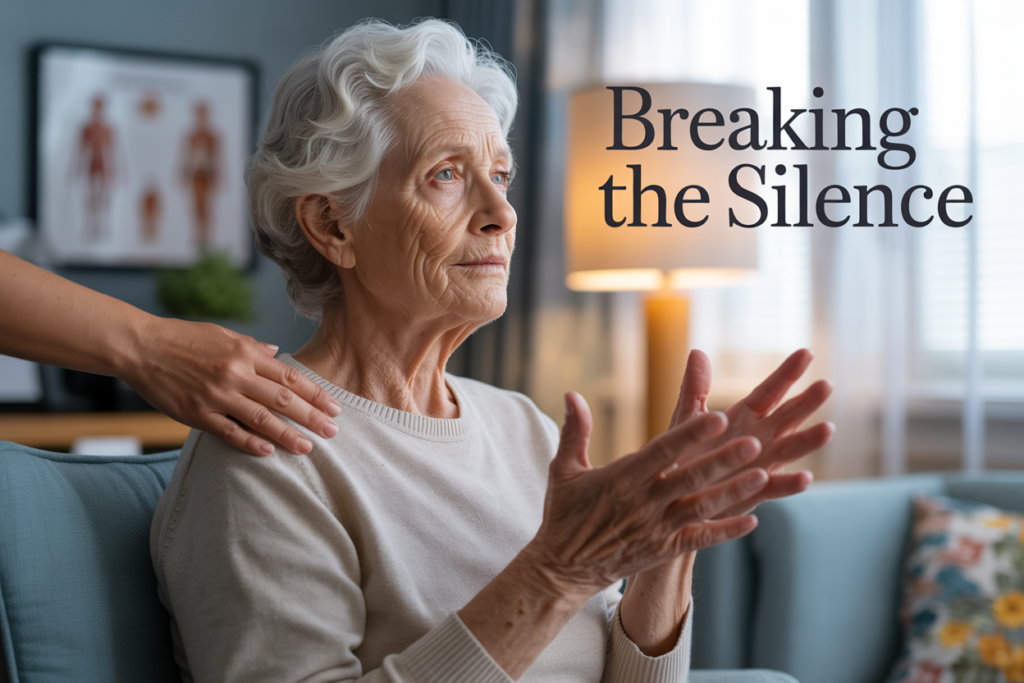
Physical abuse against elderly individuals often happens behind closed doors, leaving victims suffering
in silence while their injuries tell a story few people know how to read. This guide is for family members,
caregivers, healthcare professionals, and anyone who interacts with seniors and wants to protect them
from harm.
Many people miss the subtle elderly abuse warning signs that differ from typical accidents or age-related
changes. Physical abuse in nursing homes and other care settings creates both immediate injuries and
long-lasting damage that extends far beyond what meets the eye. The psychological wounds can be just
as devastating as broken bones or bruises, yet they’re often overlooked during medical examinations.
We’ll walk through how to spot the red flags that indicate possible mistreatment, including the physical
and emotional symptoms that persist long after the abuse occurs. You’ll also learn about the specific
situations and vulnerable elderly populations that face the highest risk, plus practical strategies for elder
abuse prevention and building strong support networks that can make all the difference in a senior’s
safety and recovery.
Recognizing the Warning Signs of Physical Abuse
in Elderly Individuals
Identifying Unexplained Injuries and Bruising Patterns
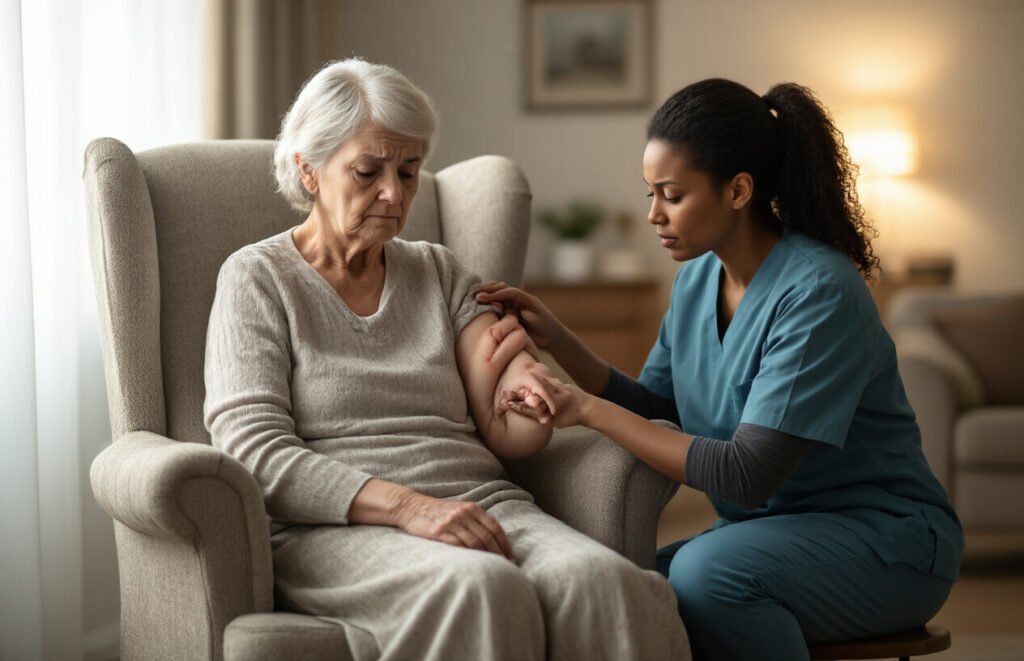
Physical marks on elderly skin tell stories that caregivers and family members need to learn how to read.
Bruises in unusual places often signal trouble – particularly on areas like the inner arms, wrists, or torso
where accidental injuries rarely occur. These elderly abuse warning signs demand immediate attention.
Fresh injuries appearing alongside older ones create a concerning pattern. Multiple bruises at different
healing stages suggest ongoing trauma rather than isolated accidents. Look for grip marks, fingershaped
bruises, or bilateral injuries that match hand placement. Rope burns, welts, or scratches around
restraint areas reveal intentional harm.
Defensive wounds on forearms, hands, or shins indicate attempts to protect against attacks. Broken
bones, especially fractures inconsistent with reported falls, raise red flags. Black eyes, split lips, or dental
injuries without plausible explanations demand investigation.
Documentation becomes crucial when suspicious injuries appear. Photograph marks, note their
locations, sizes, and colors. Record any explanations provided and assess whether they align with injury
patterns. Medical professionals can distinguish between abuse-related trauma and age-related bruising,
which tends to appear on shins, forearms, and backs of hands.
Spotting Behavioral Changes and Withdrawal Symptoms
Personality shifts often precede visible physical evidence of abuse. Previously outgoing seniors may
become withdrawn, anxious, or fearful without obvious reasons. Sleep disturbances, appetite changes,
or sudden depression can signal underlying trauma.
Watch for emotional volatility – unexpected crying, anger outbursts, or extreme passivity. Victims might
become hypervigilant, constantly scanning their surroundings or startling at sudden movements. Some
develop childlike behaviors, regression, or excessive compliance as coping mechanisms.
Communication patterns change dramatically. Seniors may stop sharing details about their daily lives,
avoid phone calls, or give vague responses about their wellbeing. They might hesitate before answering
questions about caregivers or living situations.
Signs of elderly mistreatment include reluctance to participate in previously enjoyed activities, social
isolation, or refusing visits from family members. Some victims develop learned helplessness, believing
they deserve poor treatment or that reporting abuse will worsen their situation.
Detecting Fear Responses Around Specific Caregivers
Body language speaks volumes when words fail. Observe how elderly individuals react to certain
caregivers entering their space. Immediate tension, cowering, or attempts to make themselves smaller
indicate fear-based responses.
Eye contact patterns reveal relationships dynamics. Victims often avoid looking at abusive caregivers or
seek permission through glances before speaking. They may exhibit submissive postures – hunched
shoulders, downcast eyes, or protective arm positioning.
Verbal responses change around specific individuals. Stammering, shortened answers, or complete
silence when particular staff members appear suggests intimidation. Some seniors develop people pleasing behaviors, apologizing excessively or thanking caregivers for basic care.
Physical abuse in nursing homes often involves power dynamics where residents fear retaliation for
speaking up. Watch for residents who seem relieved when certain staff members leave their rooms or
who request different caregivers without clear reasons.
Medication compliance issues may emerge around specific caregivers. Residents might refuse
medications from particular staff members or exhibit agitation during routine care procedures with certain
individuals.
Noticing Sudden Changes in Personal Hygiene and Appearance
Neglect often accompanies physical abuse, creating visible deterioration in personal care. Previously
well-groomed seniors may appear disheveled, unwashed, or wearing soiled clothing repeatedly. Hair
becomes unkempt, nails grow excessively long, or dental hygiene declines noticeably.
Weight loss or malnutrition signs develop when abusive caregivers withhold food or rush meal times.
Dehydration symptoms include dry mouth, sunken eyes, or decreased skin elasticity. Untreated medical
conditions worsen when proper care is denied as punishment.
Clothing choices may reflect fear or attempts to hide injuries. Long sleeves in warm weather, high
necklines, or reluctance to change clothes during medical examinations can conceal abuse evidence.
Some victims dress in multiple layers for psychological protection.
Living spaces reflect care quality. Personal belongings may disappear, rooms become cluttered or
unsanitary, or necessary equipment like wheelchairs or walkers show damage from rough handling.
Elder abuse prevention requires recognizing these environmental changes alongside personal
appearance deterioration. Missing personal items, broken eyeglasses, or damaged hearing aids often
result from rough treatment rather than accidents.
Family photographs disappearing from bedside tables or personal decorations being removed may
indicate emotional abuse accompanying physical mistreatment. These seemingly minor changes create
isolation and despair, making elderly individuals more vulnerable to continued abuse.
Understanding the Devastating Physical Impact on
Elderly Victims
Documenting Common Injury Patterns and Their Severity
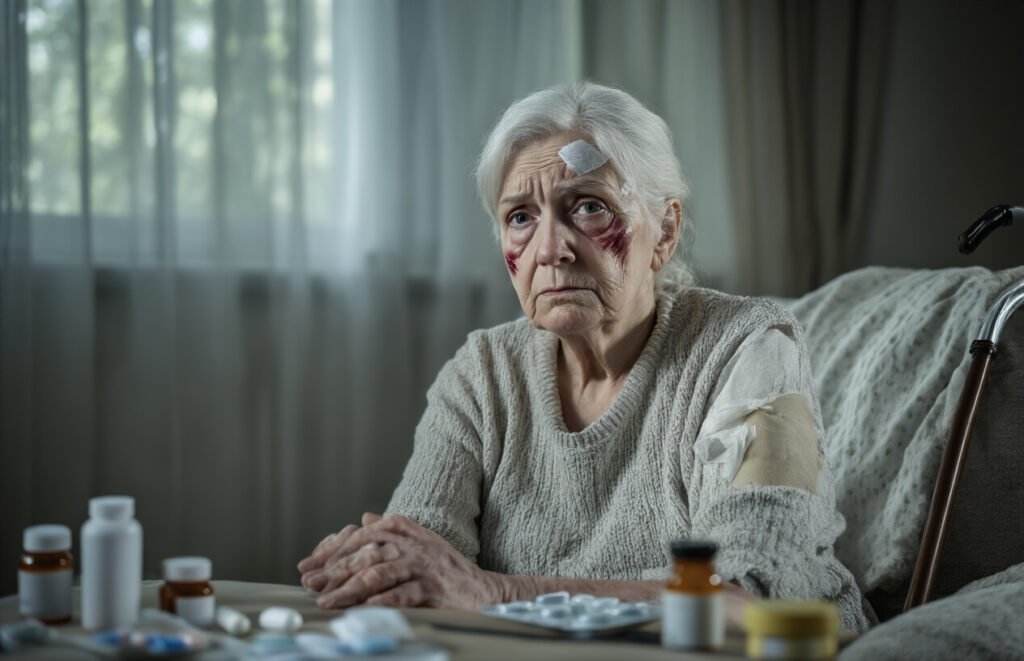
Physical abuse leaves distinct marks on elderly victims, creating patterns that medical professionals and
caregivers can learn to recognize. Bruises on the arms, wrists, and shoulders often indicate rough
handling or grabbing, while injuries to the face, neck, and chest suggest more aggressive forms of
violence. The torso frequently shows signs of impact injuries, including broken ribs from forceful pushing
or hitting.
Unexplained fractures represent some of the most serious nursing home abuse indicators. Hip fractures,
broken wrists from defensive movements, and facial fractures tell a story of violence that extends beyond
accidental falls. These injuries often cluster in patterns inconsistent with typical accidents – multiple
bruises at different healing stages, bilateral injuries that couldn’t result from a single fall, or injuries in
areas typically covered by clothing.
Burns and lacerations present another category of concerning injuries. Cigarette burns, scalding marks
from hot liquids, and cuts from restraints or rough handling create lasting physical evidence. Pressure
sores and bedsores can also indicate neglect-related abuse when they appear in unusual locations or
show signs of intentional worsening.
Medical documentation reveals that elderly abuse warning signs often include injuries that don’t match
the provided explanations. Emergency room visits for suspicious injuries may increase in frequency, with
each incident explained away by different accidents or falls.
Exploring Long-Term Health Complications from Repeated Trauma
Repeated physical abuse creates cascading health problems that extend far beyond initial injuries. The
body’s healing capacity becomes compromised when trauma occurs repeatedly, leading to chronic pain
conditions that persist long after visible wounds heal. Joint problems develop from repeated forceful
handling, creating mobility issues that compound an elderly person’s vulnerability.
Cardiovascular complications emerge as a significant concern for abuse survivors. The stress of ongoing
violence elevates blood pressure, increases heart disease risk, and can trigger cardiac events in already
fragile individuals. Sleep disturbances from pain and fear disrupt natural healing processes, weakening
immune function and making victims more susceptible to infections and illness.
Neurological impacts become particularly pronounced in elderly abuse cases. Repeated head trauma,
even minor impacts, can accelerate cognitive decline and increase dementia risk. The combination of
physical injury and psychological stress creates a perfect storm for accelerated brain aging.
Physical abuse in nursing homes often leads to medication complications as victims require increasing
amounts of pain management drugs, creating potential dependency issues and dangerous drug
interactions. The healing process slows dramatically in elderly bodies already managing multiple health
conditions, turning minor injuries into major medical crises.
Malnutrition becomes a hidden consequence when abuse creates eating difficulties due to mouth
injuries, swallowing problems from neck trauma, or depression-related appetite loss. This nutritional
decline creates a dangerous cycle where weakened bodies become even more vulnerable to future
abuse and slower to heal from existing injuries.
Analyzing How Age-Related Fragility Amplifies Damage
Aging bodies respond differently to trauma than younger, more resilient systems. Bone density
decreases significantly with age, making fractures more likely from relatively minor force. What might
cause bruising in a younger person can result in broken bones in elderly individuals, turning seemingly
minor incidents into life-threatening injuries.
Skin becomes thinner and more fragile with age, tearing easily and healing slowly. Blood vessels
become more brittle, causing extensive bruising from minimal contact. These age-related changes mean
that signs of elderly mistreatment may appear more severe than the actual force applied, but they also
indicate that even “minor” abuse can cause disproportionate harm.
Medication effects compound the problem significantly. Blood thinners prescribed for heart conditions
make bruising more extensive and bleeding more dangerous. Pain medications can mask injury
symptoms, delaying proper medical attention. Anti-inflammatory drugs can slow healing processes, while
medications affecting balance increase fall risks when combined with physical weakness from abuse.
The immune system’s age-related decline means infections develop more easily in wounds and spread
more rapidly through the body. Simple cuts can become serious infections, while untreated injuries may
develop into life-threatening complications like sepsis.
Vulnerable elderly populations face additional risks due to pre-existing conditions. Diabetes slows wound
healing and increases infection risk. Dementia may prevent victims from communicating about injuries or
understanding the need for medical care. Mobility limitations make escape from abusive situations
impossible, creating ongoing exposure to repeated trauma.
Recovery time extends dramatically for elderly abuse victims compared to younger individuals. Broken
bones that might heal in weeks for younger people can take months in elderly victims. The extended
healing period creates prolonged vulnerability and may require long-term care arrangements that
potentially expose victims to additional risks.
Uncovering the Psychological Trauma That Lingers
Beyond Physical Wounds
Examining Depression and Anxiety Disorders in Abuse Survivors
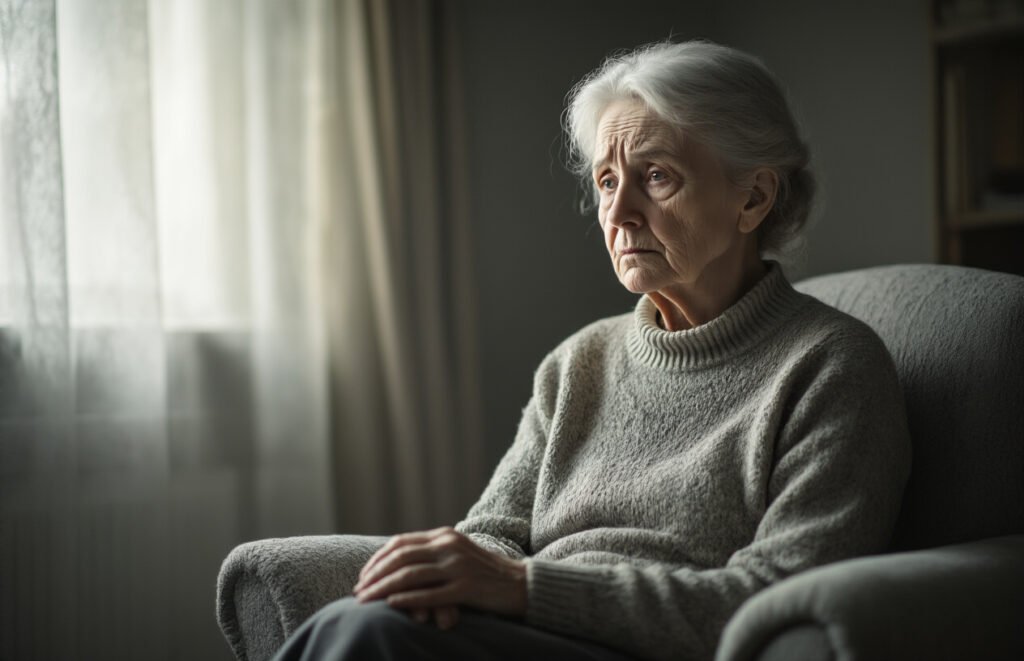
Physical abuse leaves wounds that go far deeper than what medical professionals can see on the
surface. When elderly individuals experience abuse, their mental health often bears the heaviest burden.
Depression strikes nearly 75% of elderly abuse survivors, creating a dark cloud that can last for months
or even years after the physical injuries have healed.
The depression experienced by elderly abuse victims differs from typical age-related sadness. These
individuals often lose their sense of self-worth completely, wondering how they “allowed” someone to
hurt them. They may stop eating, sleeping, or participating in activities they once enjoyed. The weight of
betrayal – especially when the abuser is a trusted family member or caregiver – can feel crushing.
Anxiety disorders manifest in unique ways among elderly abuse survivors. Many develop intense fear
responses to situations that never bothered them before. A gentle touch from a nurse might trigger panic
attacks. The sound of footsteps in the hallway could cause their heart to race uncontrollably. Some
survivors become hypervigilant, constantly scanning their environment for potential threats, making
peaceful moments nearly impossible to achieve.
Sleep disorders plague these survivors, with many reporting nightmares that replay the abuse
repeatedly. This lack of quality rest creates a vicious cycle, making them more vulnerable to depression
and anxiety while weakening their physical health and immune system.
Understanding Trust Issues and Social Isolation Effects
Trust becomes a luxury that elderly abuse survivors feel they can no longer afford. When someone they
depended on – whether a child, spouse, or professional caregiver – betrays that trust through violence,
the psychological damage can be profound. These individuals often withdraw from relationships entirely,
viewing isolation as the only way to stay safe.
The ripple effects of broken trust extend far beyond the immediate relationship with the abuser. Survivors
may become suspicious of all caregivers, refusing help with basic needs like bathing, medication
management, or meal preparation. This resistance can put their physical health at serious risk, creating
a dangerous cycle where their need for care increases while their willingness to accept it decreases.
Social isolation becomes both a symptom and a coping mechanism. Survivors may feel ashamed about
what happened to them, believing that others will judge them or blame them for the abuse. They might
avoid family gatherings, stop answering phone calls, or refuse visits from friends who genuinely care
about their wellbeing.
The loneliness that follows can be devastating. Humans are social creatures by nature, and elderly
individuals who lose their social connections often experience rapid cognitive decline. Their world shrinks
to just their immediate physical space, and without meaningful interactions, depression deepens and
anxiety grows stronger.
Recognizing Post-Traumatic Stress Symptoms in Elderly Populations
Post-traumatic stress disorder (PTSD) in elderly abuse survivors often goes undiagnosed because
healthcare providers may mistake symptoms for normal aging processes or other medical conditions.
However, PTSD symptoms in this population can be just as severe as those experienced by combat
veterans or younger trauma survivors.
Flashbacks represent one of the most distressing symptoms. These vivid, intrusive memories can
transport survivors back to the moment of abuse, making them feel as though they’re experiencing the
violence all over again. Unlike younger individuals who might recognize these episodes as flashbacks,
elderly survivors may become confused about what’s real and what’s memory, leading to additional
distress.
Avoidance behaviors become deeply ingrained survival strategies. Survivors might refuse to go to
certain rooms where abuse occurred, avoid specific people who remind them of their abuser, or resist
medical procedures that involve physical contact. These avoidance patterns can significantly impact their
quality of life and access to necessary medical care.
Emotional numbing serves as a protective mechanism, but it comes at a steep price. Survivors may lose
the ability to feel joy, love, or contentment – emotions that once brought meaning to their lives. Family
members often describe their loved one as seeming “empty” or “like a different person entirely” following
abuse.
Addressing Shame and Self-Blame That Prevents Recovery
Perhaps the most heartbreaking aspect of psychological trauma in elderly abuse survivors is the
overwhelming shame they carry. Many blame themselves for what happened, asking questions like
“Why didn’t I fight back?” or “How could I have been so stupid to trust them?” This self-blame becomes a
barrier to healing that can seem impossible to overcome.
Cultural and generational factors often amplify feelings of shame. Many elderly individuals grew up in
eras when discussing personal problems outside the family was considered inappropriate. They may
view seeking help as admitting failure or bringing shame to their family name. Some survivors feel they
should have been wiser or stronger, given their life experience.
The shame can be particularly intense when the abuser is a family member. Survivors worry about
destroying family relationships or causing financial hardship if they report the abuse. They may minimize
their suffering, convincing themselves that protecting the family’s reputation is more important than their
own safety and wellbeing.
Hidden elder abuse thrives in environments where shame prevents disclosure. Survivors may endure
ongoing abuse rather than risk the embarrassment of admitting they’ve been victimized. They might
worry that others will see them as weak, foolish, or burdensome – fears that can be more powerful than
the physical pain they endure.
Breaking through these barriers requires patient, compassionate care that acknowledges the complex
emotions elderly abuse survivors experience. Recovery becomes possible only when shame is replaced
with understanding, and self-blame transforms into self-compassion.
Identifying High-Risk Environments and Vulnerable
Populations
Assessing Dangers in Nursing Homes and Care Facilities
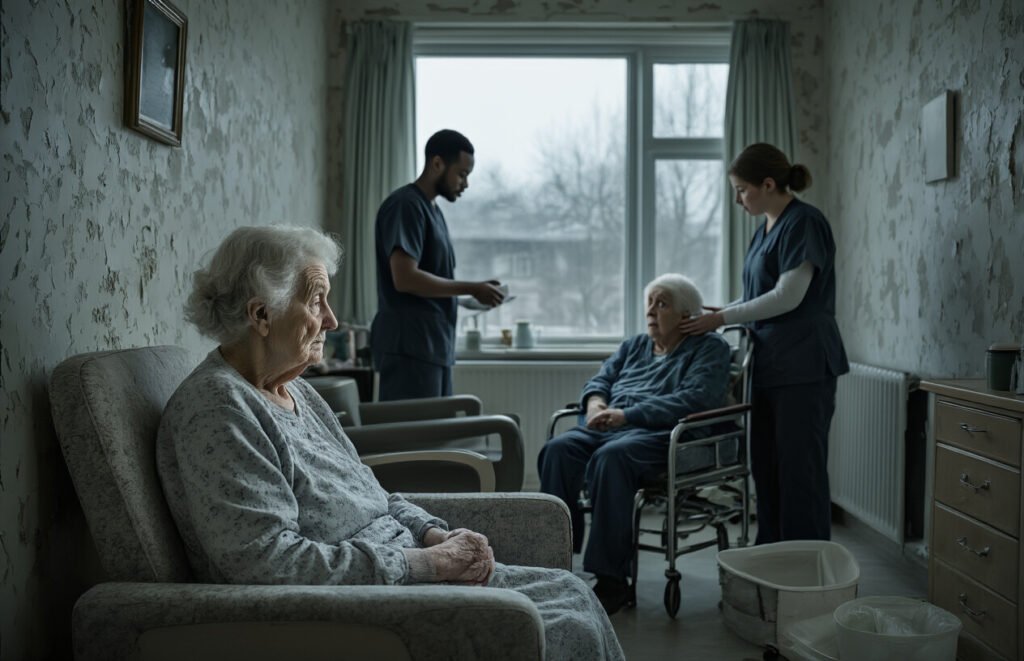
Physical abuse in nursing homes creates a perfect storm of vulnerability that many families never see
coming. These facilities often mask serious problems behind polished lobbies and friendly marketing
materials. Staff shortages plague the industry, leaving overworked employees to manage too many
residents with complex needs. When frustration builds and oversight drops, elderly abuse warning signs
become more common.
Understaffing isn’t the only red flag. Facilities with high employee turnover rates struggle to maintain
consistent care standards. New staff members may lack proper training in handling challenging
behaviors or managing medical emergencies safely. Background checks sometimes slip through cracks,
allowing individuals with histories of violence to work closely with vulnerable seniors.
Nursing home abuse indicators often hide in plain sight. Residents with mobility issues face higher risks
because they can’t escape dangerous situations or report incidents easily. Those who rely on staff for
basic needs like eating, bathing, and medication become completely dependent on caregivers who hold
enormous power over their daily lives.
Financial pressures on facilities create additional dangers. Cost-cutting measures might reduce security
cameras, eliminate night supervisors, or stretch staff beyond safe limits. Private rooms without
monitoring systems become isolated spaces where abuse can occur without witnesses.
Examining Family Caregiver Stress and Abuse Potential
Family caregivers carry enormous emotional and physical burdens that can spiral into dangerous
territory. Adult children watching their parents decline often feel overwhelmed, angry, and grief-stricken
all at once. Sleep deprivation becomes routine when caring for someone who wanders at night or needs
frequent medical attention.
Financial strain adds another layer of stress. Many caregivers reduce work hours or leave jobs entirely,
creating money problems just when medical expenses skyrocket. Resentment can build when siblings
don’t share responsibilities equally or when the care recipient becomes demanding or ungrateful.
Vulnerable elderly populations include those whose behaviors challenge even loving family members.
Seniors who become aggressive, refuse help, or repeat the same questions endlessly test patience
beyond normal limits. Caregivers dealing with their own health problems, relationship issues, or
substance abuse face even higher risks of crossing lines they never imagined they would cross.
Social isolation makes family caregiver abuse more likely. When helpers have no breaks, support
systems, or outlets for frustration, explosive moments become increasingly probable. The 24/7 nature of
caregiving creates conditions where small irritations can escalate into serious harm.
Understanding How Dementia and Cognitive Decline Increase Vulnerability
Dementia transforms once-strong individuals into vulnerable elderly populations who can’t protect
themselves or communicate abuse clearly. Memory problems mean victims might forget incidents
immediately after they happen, making reporting nearly impossible. Language difficulties prevent clear
descriptions of what occurred, leaving potential abusers free to continue harmful behaviors.
Cognitive decline also affects judgment and social awareness. Seniors might not recognize inappropriate
touching, financial manipulation, or verbal abuse as problems. They may trust people who seem friendly
while missing obvious warning signs that would alert healthy adults to danger.
Hidden elder abuse thrives when victims can’t distinguish between legitimate care activities and harmful
actions. Someone with dementia might not understand the difference between necessary medical
procedures and unnecessary rough handling. They may accept explanations for bruises or injuries
without questioning obvious inconsistencies.
Sundown syndrome and other behavioral changes associated with cognitive decline can trigger abuse
from frustrated caregivers. When seniors become agitated, confused, or combative during certain times
of day, stressed caregivers might respond with force instead of patience and redirection techniques.
The progressive nature of these conditions means vulnerability increases over time. Early-stage
dementia patients who could once advocate for themselves gradually lose that ability, creating windows
of opportunity for those who would exploit their declining defenses.
Breaking Through Barriers That Keep Abuse Hidden

Overcoming Fear of Reporting and Retaliation
Victims of elderly physical abuse often remain silent because they’re terrified of what might happen if
they speak up. This fear runs deep—many seniors worry their abuser will become more violent or that
they’ll lose their housing, care, or financial support. Family members who serve as caregivers might
threaten to abandon the elderly person or place them in a facility against their will. In nursing homes,
staff members sometimes warn residents that reporting abuse will result in neglect or punishment.
The power imbalance between elderly individuals and their abusers creates a perfect storm for silence.
When adult children control their parent’s finances or living situation, the threat of retaliation feels very
real. Seniors may convince themselves that enduring abuse is better than risking homelessness or
complete isolation from family.
Healthcare providers and social workers can help break this cycle by creating safe reporting
environments. Anonymous hotlines, private conversations away from potential abusers, and clear
explanations of protective services help reduce fear. Training staff to recognize elderly abuse warning
signs and respond with sensitivity makes victims more likely to open up. Building trust takes time, but
consistent, gentle support can encourage disclosure.
Addressing Communication Challenges with Cognitively Impaired Victims
Dementia, Alzheimer’s, and other cognitive impairments create unique challenges when identifying
abuse. These conditions don’t just affect memory—they impact a person’s ability to communicate what’s
happening to them. A senior might forget an abusive incident moments after it occurs, making consistent
reporting impossible. Others may have difficulty finding the right words to describe their experience or
may confuse past and present events.
Communication barriers become even more complex when cognitive decline affects language skills.
Victims might speak in fragments, use incorrect words, or become frustrated when others don’t
understand them. Some withdraw entirely, appearing uncooperative when they’re actually struggling to
express themselves.
Trained professionals learn to look beyond words for signs of abuse. Changes in behavior, emotional
responses to certain people, or physical reactions when specific caregivers enter the room can all
indicate problems. Body language often tells the story when words fail. A person with dementia might not
remember being hit, but they may still show fear around their abuser.
Specialized interview techniques help overcome these barriers. Using simple questions, visual aids, and
allowing extra time for responses improves communication. Multiple conversations over time often reveal
patterns that single interviews miss. Working with family members who understand the person’s
communication style can provide valuable insights while ensuring the victim’s safety.
Confronting Ageism in Healthcare and Legal Systems
Ageism creates invisible walls that keep elder abuse hidden from those who should be protecting
vulnerable seniors. Healthcare workers sometimes dismiss injuries as normal signs of aging rather than
investigating potential abuse. A bruise gets explained away as thin skin, fractures become inevitable
falls, and behavioral changes are attributed to dementia progression without considering external
causes.
Emergency rooms often become missed opportunities for intervention. Staff may spend less time with
elderly patients, assuming they’re confused or that their injuries result from natural aging processes.
Signs of elderly mistreatment get overlooked when medical professionals don’t ask the right questions or
create private moments for disclosure. Time pressures and understaffing compound the problem,
leading to rushed assessments that miss critical details.
Legal systems present their own challenges. Law enforcement officers may lack training in elder abuse
investigation, treating cases as lower priority compared to other violent crimes. Prosecutors sometimes
hesitate to pursue charges, believing elderly witnesses won’t be credible in court or that juries won’t take
elder abuse seriously. Court procedures designed for younger victims may not accommodate the needs
of seniors who tire easily, have hearing difficulties, or require frequent breaks.
Age discrimination training for healthcare and legal professionals can dramatically improve response
rates. Teaching staff to recognize abuse patterns, ask appropriate screening questions, and understand
the unique needs of elderly victims creates better outcomes. Specialized elder abuse units in police
departments and district attorney offices bring focused expertise to these complex cases.
Tackling Financial Dependence That Silences Victims
Money often becomes the chain that keeps elderly abuse victims trapped in dangerous situations. When
adult children control their parent’s finances, serve as power of attorney, or provide the only source of
income, seniors may feel they have no choice but to endure abuse. This financial dependence creates a
powerful silencing effect—speaking up could mean losing everything.
Many elderly individuals live on fixed incomes that don’t cover housing, medical care, and daily
expenses. If their abuser also provides financial support, reporting the abuse feels like choosing between
safety and survival. Some seniors have never managed their own finances, having relied on spouses or
children for decades. The thought of learning financial independence in their 70s or 80s feels
overwhelming and impossible.
Family dynamics often complicate these situations. An adult child might threaten to cut off financial
support or remove the elderly person from their home if they “cause trouble.” Some abusers gradually
take control of bank accounts, Social Security payments, or property, leaving victims with no
independent resources. Legal documents signed years earlier when relationships seemed healthy now
trap elderly people in abusive situations.
Breaking financial dependence requires coordinated support services. Social workers can help elderly
individuals understand their rights, access benefits they may not know about, and explore housing
alternatives. Legal aid organizations assist with reviewing power of attorney documents and financial
arrangements that may be inappropriate or exploitative. Elder abuse prevention programs increasingly
focus on financial literacy and independence as key protective factors.
Community resources like senior centers, adult protective services, and nonprofit organizations often
provide emergency assistance for elderly individuals trying to escape abusive situations. These services
help bridge the gap between dependence and independence, offering temporary support while longer term solutions develop. Creating awareness about these resources helps both victims and the people
who care about them understand that financial dependence doesn’t have to mean accepting abuse.
Building Effective Support Systems for Recovery
and Prevention
Creating Safe Reporting Mechanisms for Victims and Witnesses
Building trust starts with making it simple and safe for people to speak up about elder abuse support
systems. Many elderly victims feel trapped in silence because they fear retaliation, don’t know who to
contact, or worry that no one will believe them. The most effective reporting systems remove these
barriers by offering multiple ways to report abuse, from anonymous hotlines to confidential online forms.
A robust reporting network includes dedicated elder abuse hotlines staffed 24/7 by trained professionals
who understand the unique challenges facing older adults. These hotlines should connect directly to
Adult Protective Services, law enforcement, and healthcare providers who can respond quickly to urgent
situations. Mobile apps designed specifically for elderly victim recovery can provide another layer of
accessibility, allowing family members or caregivers to report concerns with just a few taps.
Protection for whistleblowers remains critical, especially in institutional settings like nursing homes. Staff
members who witness physical abuse in nursing homes need legal protections against retaliation and
clear protocols that guarantee their job security when they report violations. Anonymous reporting
systems for employees create safer pathways for exposing elder abuse prevention failures within their
organizations.
Implementing Comprehensive Medical and Psychological Care
Recovery from elder abuse requires specialized medical attention that goes beyond treating visible
injuries. Healthcare providers must address both immediate trauma and long-term health consequences
that often emerge months or years after the abuse ends. This comprehensive approach includes pain
management, mobility restoration, and treatment for conditions that may have worsened due to neglect
or intentional harm.
Psychological care proves equally important, as many elderly abuse victims experience depression,
anxiety, and post-traumatic stress that can severely impact their quality of life. Specialized geriatric
therapists who understand the complex dynamics of elder abuse can provide trauma-informed care
tailored to older adults’ specific needs. Group therapy sessions connect survivors with others who share
similar experiences, breaking through the isolation that often accompanies abuse.
Medical teams should also include social workers who can coordinate with legal advocates, housing
specialists, and financial advisors to address the broader impacts of abuse. This wraparound approach
ensures that victims receive support in rebuilding their lives, whether that means finding safe housing,
securing financial resources, or navigating the legal system.
Establishing Community-Based Prevention Programs
Prevention works best when entire communities get involved in protecting seniors from abuse.
Neighborhood watch programs can expand their focus to include wellness checks on isolated elderly
residents, creating informal support networks that help identify early elderly abuse warning signs before
situations escalate.
Community centers, religious organizations, and senior centers serve as ideal locations for prevention
education. Regular workshops teach family members how to recognize signs of elderly mistreatment and
provide resources for getting help. These programs work particularly well when they include interactive
elements like role-playing scenarios that help participants practice difficult conversations about abuse
concerns.
Intergenerational programs that bring together young volunteers with elderly residents create natural
monitoring systems while combating isolation. When college students regularly visit senior living facilities
for reading programs or technology lessons, they become additional eyes and ears who can spot
changes in residents’ behavior or appearance that might indicate abuse.
Training Healthcare Workers to Recognize and Respond to Abuse
Healthcare workers often serve as the first line of defense against elder abuse, making their training
absolutely critical for early detection and intervention. Many nursing home abuse indicators remain
subtle – unexplained bruising, sudden changes in behavior, or fearfulness around certain staff members –
and require trained professionals to spot them.
Comprehensive training programs should cover both physical and psychological signs of abuse,
teaching healthcare workers to document findings properly and follow established reporting protocols.
Medical professionals need specific guidance on how to interview elderly patients about potential abuse,
including techniques for building trust and asking sensitive questions in ways that don’t further traumatize
victims.
Regular refresher training keeps these skills sharp and updates staff on new regulations, reporting
procedures, and best practices in elder abuse prevention. Training should also address the emotional toll
of working with abuse victims, providing healthcare workers with coping strategies and access to
employee assistance programs that support their mental health.
Cross-training between different healthcare disciplines creates stronger safety nets, ensuring that
nurses, doctors, social workers, and support staff all understand their roles in protecting vulnerable
elderly populations and can work together effectively when abuse is suspected or discovered.

Physical abuse against elderly individuals leaves wounds that run deeper than what meets the eye. The
warning signs often hide in plain sight – unexplained injuries, changes in behavior, withdrawal from social
activities – but knowing what to look for can make all the difference. The trauma doesn’t end when the
physical wounds heal; psychological scars can last for years, affecting everything from sleep patterns to
trust in caregivers.
Certain environments and populations face higher risks, especially those in isolated care settings or
individuals with cognitive impairments who can’t advocate for themselves. The silence surrounding
elderly abuse stems from shame, fear, and complex family dynamics that make victims reluctant to
speak up. Breaking this cycle requires all of us – family members, healthcare workers, neighbors, and
communities – to stay alert, ask difficult questions, and create safe spaces where elderly individuals feel
protected and heard. Every older adult deserves to live with dignity and safety, and that starts with
recognizing that this problem exists right in our own neighborhoods.
