
OLX / Marketplace Advance Scam
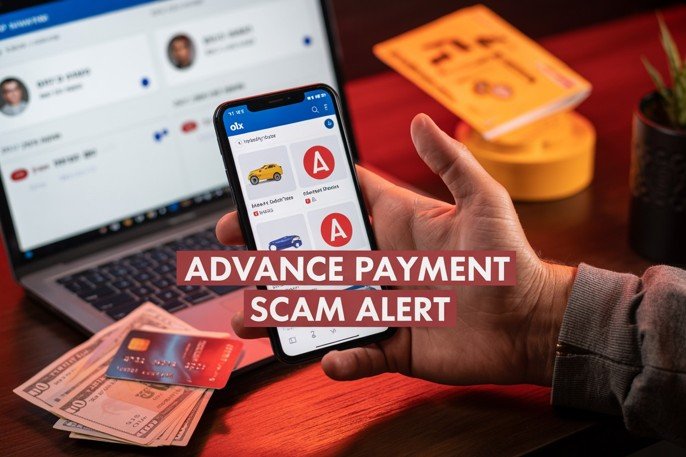
Staying Safe from OLX Advance Payment Scams: What Every Online Seller Needs to Know
Online sellers on OLX and other marketplaces face growing threats from sophisticated scammers using advance payment fraud tactics. This guide helps anyone selling items online recognize OLX scammer red flags before losing money or personal information.
Scammers target busy sellers with fake buyer schemes that seem legitimate until it’s too late. You’ll learn how to spot common OLX advance payment scam patterns that catch even experienced sellers off guard. We’ll also cover practical steps to protect from OLX fraud by securing your personal and financial details during transactions.
Finally, you’ll discover how to respond when scammers contact you and what options exist for recovering losses if you’ve already fallen victim to an advance payment scam.
Recognize Common OLX Advance Payment Scam Tactics
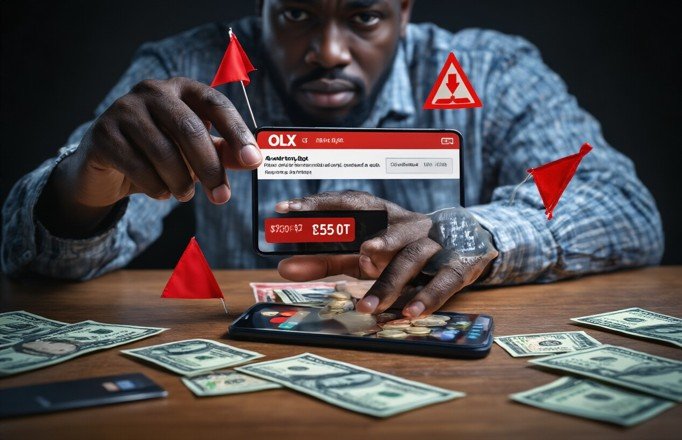
Fake buyer overpayment schemes
The most common OLX advance payment fraud involves buyers who claim they’ll pay more than your asking price. These scammers contact sellers with stories about being overseas, having urgent family matters, or needing the item shipped to a different location. They offer to send extra money to cover “shipping costs,” “agent fees,” or other fabricated expenses.
Here’s how the OLX scam typically unfolds: The fake buyer sends what appears to be payment confirmation for an amount significantly higher than agreed upon. They then ask you to refund the difference or send the excess to their “shipping agent.” The original payment never actually clears your account, leaving you out of pocket for any money you’ve already sent.
These scammers often target high-value items like electronics, vehicles, or furniture. They create a sense of legitimacy by using professional-sounding language and claiming to represent companies or have business connections abroad. The overpayment amount usually ranges from $200 to several thousand dollars, depending on your item’s value.
Shipping agent and courier fraud methods
Marketplace advance payment scam artists frequently introduce fake shipping agents into their schemes. They claim their “preferred courier service” needs payment upfront before collecting your item. These supposed agents contact you separately, often with official-sounding company names and detailed shipping procedures.
The scammer provides you with contact information for their “shipping agent,” who then requests payment for:
 Pickup fees
Insurance costs
Customs clearance
Special handling charges
International shipping permits
These agents may even provide tracking numbers and shipping labels that look authentic but lead to non-existent packages. Some create fake websites for their courier companies, complete with customer service numbers that connect to other members of the scam network.
The shipping agent angle works because it adds an extra layer of apparent legitimacy. Many sellers assume that if multiple parties are involved, the transaction must be genuine. The scammers count on this trust to extract advance payments before disappearing completely.
Fake payment confirmation screenshots
Modern OLX scammer red flags include sophisticated fake payment confirmations that look remarkably convincing. Scammers create screenshots of bank transfers, PayPal payments, or mobile money transactions showing they’ve sent payment to your account.
These fake confirmations often include:
 Your correct name and phone number
Realistic transaction reference numbers
Official-looking bank or payment app interfaces
Appropriate timestamps and dates
Correct payment amounts
Some scammers go as far as creating fake banking apps or websites where they can generate these screenshots in real-time during your conversation. They may even send multiple confirmation images from different angles or include email notifications that appear to come from legitimate financial institutions.
The key issue with these fake confirmations is that they prey on sellers’ excitement about receiving payment. Many people see the screenshot and immediately assume the money is in their account without actually checking their balance or waiting for the funds to clear.
Emergency sale pressure techniques
Online marketplace scam tactics often involve creating artificial urgency to prevent sellers from thinking clearly about the transaction. Scammers manufacture emergency situations that require immediate action, such as:
Medical emergencies requiring quick cash, business trips departing within hours, family relocations happening overnight, or military deployments starting immediately. They claim they need your item urgently and are willing to pay extra for the convenience.
These pressure tactics include offering bonuses for same-day transactions, claiming multiple other buyers are interested, setting tight deadlines for payment confirmation, or suggesting the deal will fall through if you don’t act quickly. The scammers know that rushed decisions lead to poor judgment.
They also use emotional manipulation, sharing personal stories about sick relatives, job losses, or other hardships that make you want to help them. This psychological approach makes sellers more likely to overlook red flags and proceed with questionable payment arrangements.
The urgency factor prevents you from conducting proper verification checks, consulting with friends or family, or simply sleeping on the decision. Legitimate buyers understand that major purchases require consideration time and proper payment processing.
Identify Red Flags Before Falling Victim

Unusual payment methods and requests
Scammers on OLX often push for payment methods that bypass traditional protections. Watch out for buyers who insist on wire transfers, cryptocurrency payments, or mobile money transfers outside your platform’s secure payment system. These methods make it nearly impossible to recover your money once sent.
A major OLX scam warning sign is when someone asks you to pay fees upfront before receiving payment. Legitimate buyers don’t require sellers to pay shipping, insurance, or customs fees. If someone claims they’re sending extra money to cover these costs, they’re running a classic marketplace advance payment scam.
Gift cards are another huge red flag. No genuine buyer pays for motorcycles, furniture, or electronics with Amazon gift cards or iTunes vouchers. This payment method screams scam because gift cards can’t be traced or reversed once redeemed.
Be suspicious of payment apps you’ve never heard of or requests to download specific payment software. Scammers create fake payment confirmations easily with unknown platforms, making you believe money has been transferred when it hasn’t.
Poor grammar and communication patterns
Communication quality often reveals OLX scammer red flags immediately. Many scammers operate from different countries and use translation software, resulting in awkward phrasing and grammatical errors
that native speakers wouldn’t make. Look for these patterns:
Excessive use of formal language mixed with basic errors
Generic responses that don’t reference specific details about your item
Copy-paste messages with formatting inconsistencies
Unusual punctuation or capitalization patterns
Scammers often avoid answering direct questions about the item you’re selling. Instead, they redirect conversations toward payment arrangements or shipping logistics. Genuine buyers ask specific questions about condition, features, or availability.
Time stamps can also reveal problems. If someone responds immediately at all hours, they might be running multiple scams simultaneously rather than being a genuine local buyer with normal working hours.
Reluctance to meet in person or video chat
Authentic local buyers on OLX want to inspect items before purchasing, especially for high-value goods. Online marketplace scam tactics often involve avoiding face-to-face meetings because scammers aren’t physically located where they claim to be.
Common excuses include:
Being out of town for extended periods
Having busy work schedules that prevent meetings
Claiming to be military personnel deployed overseas
Insisting their “agent” or “driver” will collect the item
When scammers do agree to meet, they often cancel at the last minute with elaborate stories. They might suggest meeting at unusual locations or propose complex pickup arrangements involving third parties.
Video calls are equally problematic for scammers. They’ll avoid them completely or claim camera malfunctions. Real buyers don’t hesitate to video chat, especially for expensive items, because they want to verify both the seller and the product.
Offers significantly above asking price
Nothing raises marketplace payment scam prevention alarms like unreasonably high offers. Scammers intentionally overpay to create urgency and justify their advance payment requests. They’ll claim the extra money covers shipping, handling fees, or agent commissions.
This strategy works because sellers get excited about unexpected profits and overlook obvious warning signs. The scammer’s story usually involves urgent travel, business emergencies, or time-sensitive situations requiring immediate payment processing.
Watch for these overpayment scenarios:
Offering full asking price without negotiation or inspection
Adding substantial amounts for shipping costs that seem excessive
Claiming business expense accounts require rounded-up payments
Insisting the extra money helps with “transaction security”
Real buyers negotiate prices downward and question costs carefully. They don’t casually add hundreds of dollars to purchases without clear justification. When someone offers significantly above market value, they’re setting up an OLX advance payment fraud that will cost you money rather than make you rich.
Remember that legitimate transactions feel natural and logical. Trust your instincts when deals seem too good to be true.
Protect Your Personal and Financial Information

Secure your banking details from scammers
Your banking information is gold to scammers running advance payment fraud on platforms like OLX. Never share your complete bank account number, CVV codes, or online banking passwords with buyers, regardless of how legitimate they appear. Scammers often pose as serious buyers and request banking details under the pretense of making direct transfers or “verifying” your account for payment processing.
When legitimate buyers want to make payments, they should use secure methods that don’t require your sensitive banking credentials. If someone insists on having your full account details before making a payment, this screams OLX scam. Real buyers can transfer money using just your account number and routing information, without needing access to your login credentials or security codes.
Set up a separate bank account specifically for online transactions if you’re a frequent seller. This creates a buffer between scammers and your primary finances. Many banks offer basic checking accounts with minimal fees that work perfectly for this purpose. This way, even if something goes wrong, your main savings and checking accounts remain protected.
Be extra cautious of buyers who send fake payment confirmations or screenshots showing “pending transfers” that require you to provide additional banking information to “complete” the transaction. These are classic tactics used in marketplace advance payment scam schemes to extract more personal data from victims.
Avoid sharing sensitive documents online
Document fraud goes hand-in-hand with OLX advance payment fraud. Scammers frequently request copies of government-issued IDs, utility bills, or bank statements under various pretenses. They might claim these documents are needed for “buyer protection,” “payment verification,” or “shipping purposes.” Don’t fall for these tricks.
Your personal documents contain enough information for identity theft and can be used to create fake accounts on other platforms. Scammers use this information to appear more legitimate to their next victims or even open financial accounts in your name. If a buyer genuinely needs verification, OLX and other legitimate platforms have built-in verification systems that don’t require you to send personal documents directly to buyers.
Watch out for requests that seem professional but are actually fishing expeditions. Phrases like “our payment processor requires seller verification” or “for tax purposes, we need your identification” are red flags. Legitimate buyers don’t need your personal documents to complete a purchase.
Create a simple rule: never send photos or scans of official documents to people you’ve only met through online marketplaces. This single practice will protect you from numerous OLX scammer red flags and keep your identity secure.
Use platform-approved payment methods only
Stick to payment methods that OLX and other platforms officially support and recommend. These usually include cash on delivery for local transactions, platform-integrated payment systems, or widely recognized digital wallets with buyer and seller protection features. Avoid unconventional payment methods suggested by buyers, especially those that offer little to no recourse if something goes wrong.
Scammers running marketplace payment scam prevention often push for payment methods that are hard to trace or reverse. They might suggest wire transfers, cryptocurrency, gift cards, or obscure money transfer services. These methods make it nearly impossible to recover your money if the transaction turns out to be fraudulent.
| Safe Payment Methods | Risky Payment Methods |
|---|---|
| Cash on delivery | Wire transfers |
| Platform-integrated systems | Cryptocurrency |
| PayPal with buyer protection | Gift cards |
| Bank transfers with tracking | Untraceable money orders |
| Escrow services | Person-to-person apps without protection |
When buyers insist on specific payment methods that seem unusual or overly complicated, question their motives. Legitimate buyers are typically flexible with payment options and understand the importance of secure transactions. They won’t pressure you to use unfamiliar services or create new accounts with unknown platforms just to complete a sale.
Remember that scammers often target sellers who appear inexperienced with online transactions. They count on your desire to make a sale to override your better judgment about payment security.
Respond Effectively When Targeted by Scammers

Document All Communication Evidence
When you suspect you’re dealing with an OLX scam, your first move should be collecting every piece of evidence. Take screenshots of all messages, emails, and phone conversations. Save the scammer’s profile information, including their username, profile picture, and any contact details they’ve shared.
Don’t just grab one or two messages – capture the entire conversation thread from start to finish. Include timestamps, as these details become crucial if you need to file a police report or assist other victims.
Save any photos they’ve sent you, especially if they claim to show payment confirmations or shipping receipts.
Create a dedicated folder on your device specifically for this incident. Name files clearly with dates and descriptions like “OLX_scammer_conversation_March15” or “fake_payment_screenshot_buyer_profile.” If the scammer called you, write down the exact time, duration, and key points of the conversation immediately after it ends.
Keep records of any financial transactions or payment requests they made, even if you didn’t comply. These details help authorities understand the scammer’s methods and can prevent others from falling
victim to similar OLX advance payment fraud schemes.
Report Suspicious Accounts to OLX Immediately
OLX takes marketplace advance payment scams seriously, but they can only act when users report suspicious activity. Visit the platform’s official reporting system and file a detailed complaint about the fraudulent account. Include the user’s profile link, screenshots of conversations, and a clear explanation of their scammer tactics.
Don’t assume someone else will report them – your report might be the evidence OLX needs to remove a dangerous account. The platform uses these reports to identify patterns and protect other users from similar online marketplace scam tactics.
When filing your report, be specific about the scam type. Mention if they requested advance payments, asked for personal banking details, or used fake payment confirmations. Include any phone numbers or email addresses they provided outside the platform.
Follow up on your report if you don’t receive a response within 48 hours. OLX typically sends confirmation emails when they take action against reported accounts. Save these confirmations as additional evidence for your records.
Block and Cease All Contact with Fraudsters
Once you’ve documented everything and filed reports, completely cut off communication with the scammer. Block their profile on OLX, their phone number, and any email addresses they’ve used to contact you. Don’t respond to their messages, even if they become aggressive or threatening.
Scammers often escalate their tactics when they realize their target is catching on. They might claim there’s an “urgent problem” with the payment or threaten legal action. These are desperate attempts to maintain control – ignore them completely.
If they created multiple accounts to contact you, block each one as it appears. Don’t engage in arguments or try to “expose” them publicly on the platform. This approach often backfires and can put you at risk for harassment.
Remove any personal information from your OLX profile that might help them contact you through other channels. Change your phone number’s privacy settings if they have it, and consider temporarily adjusting your social media privacy settings.
Alert Your Bank If Financial Details Were Shared
Contact your bank immediately if you shared any financial information during the scam attempt, even if no money actually changed hands. This includes your account numbers, routing numbers, or details about your cards or online banking credentials.
Explain the situation to your bank’s fraud department and ask them to monitor your accounts for unusual
activity. Many banks offer additional security measures like transaction alerts or temporary account restrictions when customers report potential fraud attempts.
If you provided banking details for what you thought was a legitimate payment, request new account numbers and cards. Yes, this creates inconvenience, but it’s much less hassle than dealing with unauthorized transactions later.
Keep detailed records of your conversations with bank representatives, including reference numbers for fraud reports. Ask about your bank’s policies for recovering funds lost to advance payment scams, as some institutions offer limited protection for certain types of fraud.
Monitor your credit reports for several months after the incident, as scammers sometimes use personal information for identity theft long after the initial contact. Set up fraud alerts with major credit bureaus to catch any suspicious activity early.
Recover From Advance Payment Fraud Losses

File complaints with local cybercrime authorities
When you become a victim of an OLX advance payment fraud, reporting the incident to cybercrime authorities becomes your first line of defense. Most countries have dedicated cybercrime units that handle online fraud cases, and filing a complaint creates an official record of the scam.
Start by gathering all communication records, transaction details, and screenshots before filing your report. In India, you can file complaints through the National Cyber Crime Reporting Portal (cybercrime.gov.in), while other countries have similar platforms. The FBI’s Internet Crime Complaint Center (IC3) handles reports in the United States, and the UK’s Action Fraud serves British citizens.
Your complaint should include:
Complete details of the OLX scammer including usernames, phone numbers, and email addresses
Screenshots of all conversations and listings
Bank transaction records showing money transfers
Any fake documents or identification provided by the scammer
Cybercrime authorities often work with international law enforcement agencies, increasing the chances of tracking down scammers who operate across borders. While individual case resolution varies, your report contributes to pattern recognition that helps authorities identify and shut down larger scamming operations.
Don’t expect immediate results, as these investigations can take months. However, maintaining regular follow-up contact with the investigating officer keeps your case active and demonstrates your commitment to pursuing justice.
Contact your bank for transaction disputes
Your bank can be your strongest ally when recovering from marketplace advance payment scam losses. Contact your bank immediately after discovering the fraud – timing is critical for successful dispute resolution.
Most banks have fraud departments that operate 24/7. Call the customer service number on your debit or credit card and specifically ask to speak with the fraud department. Explain that you’ve been victimized by an OLX advance payment fraud and need to dispute unauthorized or fraudulent transactions.
For credit card transactions:
Federal regulations provide stronger protection for credit card users
You’re typically liable for maximum $50 in fraudulent charges
Banks often waive even this amount for verified fraud cases
Chargeback processes can reverse transactions made to scammers
For debit card and direct bank transfers:
Protection varies significantly between banks and transaction types
Wire transfers are hardest to recover once completed
UPI and digital wallet transfers may have specific dispute mechanisms
Document everything with transaction IDs and timestamps
Banks will require you to file a written dispute within specific timeframes – usually 60 days for credit cards and 60 days for debit cards. Provide them with:
Police complaint number or cybercrime complaint reference
All communication with the scammer
Proof that goods or services were never received
Evidence showing the seller’s fraudulent intent
Some banks offer provisional credit while investigating your claim, giving you immediate relief while they work on permanent resolution.
Gather evidence for potential legal action
Building a strong evidence portfolio is essential for both criminal prosecution and civil recovery actions. Recovering from advance payment scam losses often requires meticulous documentation that can withstand legal scrutiny.
Create a comprehensive evidence file containing: Digital Communications:
Screenshots of all OLX conversations (don’t just save – screenshot with timestamps visible)
Email exchanges with complete headers showing sender information
WhatsApp or SMS conversations with phone numbers clearly visible
Voice call recordings if legally permissible in your jurisdiction
Financial Documentation:
Bank statements highlighting fraudulent transactions
Payment receipts, transaction IDs, and confirmation messages
Currency exchange records if international transfers occurred
Credit card or digital wallet statements
Identity Information:
Screenshots of the scammer’s OLX profile before it gets deleted
Any photos or documents they shared (even fake ones help establish patterns)
Phone numbers, email addresses, and social media profiles they used
IP address information if available through email headers
Timeline Documentation:
Detailed chronological record of all interactions
Dates and times of payments made
When you realized the scam occurred
Steps taken immediately after discovery
Store multiple copies of all evidence – cloud storage, physical printouts, and backup drives. Digital evidence can be easily deleted or corrupted, so redundancy protects your case.
Consider consulting with a lawyer specializing in cybercrime or fraud cases. Many attorneys offer free initial consultations where they can assess the strength of your evidence and potential recovery options. Legal action might include:
Civil suits against identifiable scammers
Joining class-action lawsuits if the scam affected multiple victims
Asset recovery procedures if scammer accounts or property can be located
Working with international legal authorities for cross-border cases
Document your financial losses completely, including not just the money sent to scammers, but also bank fees, legal consultation costs, and time lost dealing with the fraud. This comprehensive approach maximizes your potential recovery while building the strongest possible case for prosecution.
Staying safe on OLX and other online marketplaces comes down to recognizing the warning signs and trusting your instincts. Scammers often use similar tactics – asking for advance payments, creating urgency, or requesting personal financial details upfront. When someone pushes you to pay before you see the item or meet face-to-face, that’s your cue to walk away. Remember that legitimate sellers are usually happy to meet in person and let you inspect items before any money changes hands.
If you do find yourself caught up in an advance payment scam, don’t panic. Report the incident to your bank, file complaints with the relevant authorities, and document everything you can about the fraudster. While getting your money back isn’t always guaranteed, taking quick action gives you the best shot at recovery. The key is staying alert and remembering that if a deal seems too good to be true, it probably is. Trust your gut, verify everything, and never let anyone pressure you into making hasty financial decisions online.
